Luxury, Nature and Elegance: Discover Sardinia at Its Best
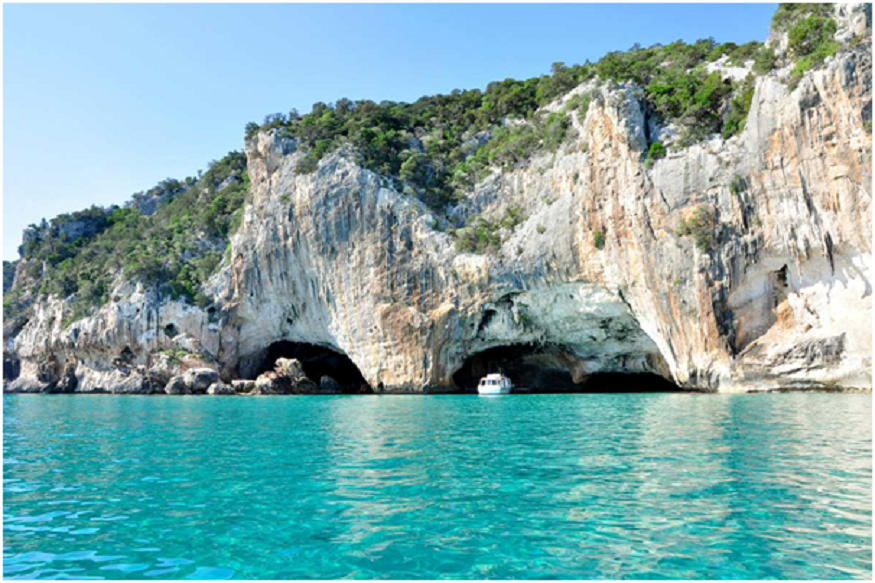
Sardinia is an island that never needs to shout to impress. Its beauty is quiet yet unmistakable — a blend of translucent seas, ancient landscapes, and understated sophistication. Far from being just a summer destination, it’s a place that rewards curiosity year-round, where natural splendour and elegant living merge seamlessly.
For those who value authenticity as much as comfort, Sardinia represents the best of Mediterranean refinement — a balance of luxury, nature, and culture that feels both timeless and new.
A Coastline of Infinite Shades
Sardinia’s coastline stretches for nearly 2,000 kilometres, each stretch revealing a different personality. The Costa Smeralda, with its emerald waters and sculpted granite bays, remains the island’s most glamorous face — yet its allure lies in discretion, not display. Yachts glide into sheltered coves, while boutique resorts and Michelin-starred restaurants operate with quiet excellence.
Further south, the rhythm changes. Around Villasimius and Chia, the atmosphere softens: dunes of white sand, lagoons dotted with flamingos, and crystal water that shifts from turquoise to sapphire. Here, Sardinia’s wildness takes centre stage, yet without sacrificing elegance.
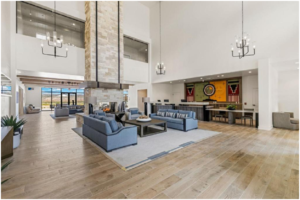
For travellers seeking a place where design meets landscape, the island’s refined retreats offer a perfect synthesis of comfort and connection to the environment. The focus isn’t on opulence, but on serenity: spaces that open to the sea, materials drawn from the land, and hospitality rooted in simplicity. Explore it by visiting https://www.vretreats.com/en/luxury-hotel-sardinia/
Nature as a Way of Life
Beyond its beaches, Sardinia reveals a geography of contrasts. The Gennargentu Mountains, at the island’s centre, rise into a world of silence and stone. Villages like Orgosolo and Fonni preserve traditions of shepherding and mural art, reminders that this island’s identity runs deep.
Hiking through Supramonte or the Gola di Gorropu canyon feels like entering a Mediterranean wilderness untouched by time. The scents of myrtle, rosemary, and lentisk fill the air — nature here isn’t background; it’s character.
Sardinians have long understood the value of balance between human and environment. The island’s renowned “Blue Zone,” where longevity is common, isn’t a mystery of genetics but of lifestyle: simple food, clean air, and community.
A Cuisine Rooted in Honesty
Sardinia’s culinary scene mirrors its landscapes — pure, diverse, and deeply satisfying. Inland, the focus is on land and tradition: roasted suckling pig (porceddu), handmade pasta (culurgiones), and pecorino aged in caves. On the coast, the sea dictates the menu — fresh lobster from Alghero, bottarga from Cabras, and clams from the southern lagoons.
The island’s wines are equally distinctive. Vermentino, crisp and mineral, captures the light of the northern coast, while Cannonau, rich and earthy, reflects the strength of the mountains. Many winemakers are now returning to ancient methods — amphora fermentation, minimal intervention — to express the true character of Sardinia’s soil.
Dining here is rarely rushed. Meals unfold like conversations, often outdoors, accompanied by the rhythm of waves or the hum of cicadas.
Art, History, and the Spirit of Place
Sardinia’s identity is layered — prehistoric nuraghe towers rise beside medieval churches, and modern art galleries coexist with centuries-old festivals. In Cagliari, contemporary life blends effortlessly with Roman ruins and Gothic architecture. Along the western coast, towns like Bosa and Oristano preserve a gentler, more introspective charm.
What unites these places is a sense of authenticity — a refusal to let modernity erase tradition. That, perhaps, is Sardinia’s true luxury: the ability to evolve without losing its essence.
The Art of Stillness
To discover Sardinia at its best is to learn how to slow down. The island invites you to do less, but to notice more — the texture of the sand, the taste of salt on the breeze, the play of light on stone. It’s luxury defined not by excess, but by attention.
Here, elegance isn’t an accessory. It’s a way of seeing.